An air conditioner that runs continuously but fails to cool your home can be frustrating, especially during hot weather. You may hear the system operating, feel air coming through the vents, and notice that indoor temperatures are not dropping as expected. This problem can have several causes, ranging from restricted airflow to thermostat issues or problems with essential AC components.
Understanding why your AC is running but not cooling can help you recognize potential issues and determine when professional service is necessary. Here are some common reasons an air conditioner may struggle to deliver cool air.
1. A Dirty or Clogged Air Filter
A dirty air filter is one of the most common reasons an air conditioning system experiences reduced airflow. Filters collect dust, dirt, and other airborne particles over time. When too much debris accumulates, airflow through the system can become restricted.
This may cause:
- Weak airflow from supply vents
- Longer cooling cycles
- Uneven indoor temperatures
- Reduced cooling performance
- Increased strain on system components
Check your air filter regularly and replace it according to the manufacturer’s recommendations. Homes with pets, higher dust levels, or frequent system use may require more frequent filter changes.
2. Incorrect Thermostat Settings
Sometimes the issue is related to thermostat settings rather than a mechanical failure.
Check that:
- The thermostat is set to Cool mode.
- The temperature setting is below the current indoor temperature.
- The fan setting is configured appropriately.
- The thermostat has working batteries, if applicable.
A thermostat with inaccurate readings or faulty controls may also prevent the system from operating as expected.
If adjusting the settings does not resolve the problem, professional HVAC troubleshooting may be necessary.
3. Dirty Outdoor Condenser Coils
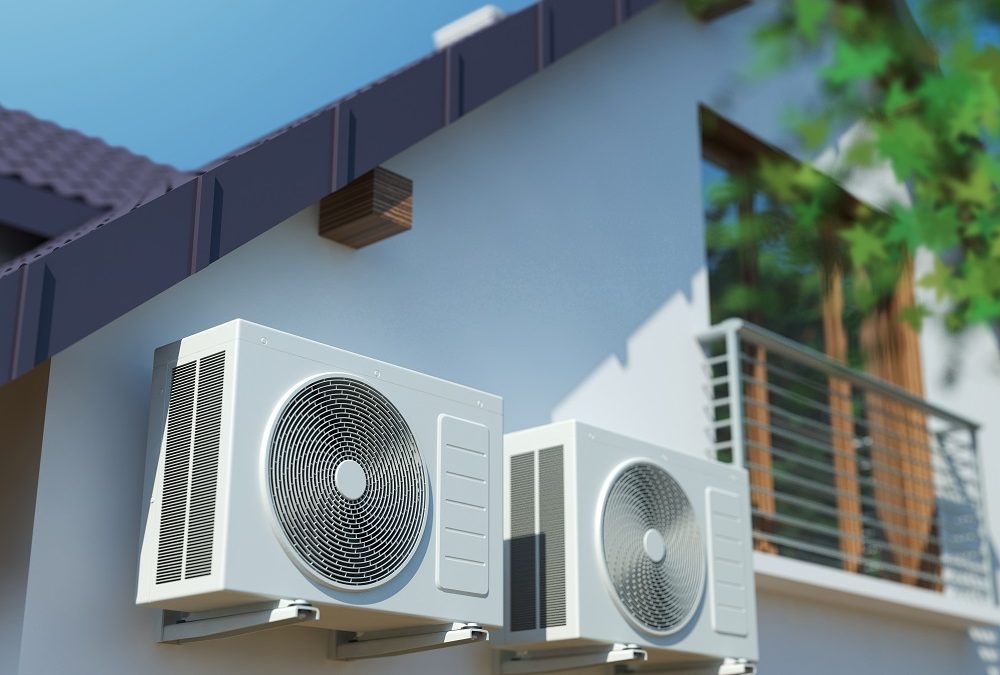
The outdoor condenser unit releases heat removed from inside your home. When dirt, leaves, and other debris accumulate around the unit or its coils, heat transfer can become less effective.
This can reduce cooling performance and cause the system to run longer than necessary.
Keep the area around the outdoor unit clear of obstructions. If the condenser coils appear heavily soiled, have them inspected and cleaned by an HVAC professional.
4. Refrigerant Problems
Refrigerant is essential for transferring heat through an air conditioning system. If the system develops a refrigerant leak or has an incorrect refrigerant charge, its ability to cool effectively may decrease.
Possible warning signs include:
- Warm air coming from the vents
- Longer cooling cycles
- Reduced cooling performance
- Ice forming on refrigerant lines or indoor components
Refrigerant problems require professional diagnosis. A qualified HVAC technician can identify the underlying issue, repair leaks where necessary, and verify the correct refrigerant charge.
Simply adding refrigerant without addressing a leak does not resolve the underlying problem.
5. Frozen Evaporator Coils
Evaporator coils absorb heat from indoor air. Restricted airflow, refrigerant problems, or other system issues can cause these coils to become too cold and develop ice.
When this happens, airflow and cooling performance may decrease.
If you notice ice around the indoor unit or refrigerant lines, turn off the cooling system and arrange professional inspection. Avoid attempting to remove ice with tools or operating the system repeatedly while the problem remains unresolved.
6. Blocked or Leaking Air Ducts
Your ductwork distributes conditioned air throughout your home. Problems with ducts can prevent cooled air from reaching certain rooms.
Common ductwork issues include:
- Disconnected duct sections
- Damaged or deteriorating insulation
- Air leaks around joints
- Restricted duct passages
- Poorly balanced airflow
These problems may cause some rooms to remain warmer than others even when the AC system is operating.
A professional duct inspection can help identify airflow restrictions and determine whether duct repair or replacement is needed.
7. Electrical or Mechanical Component Problems
Air conditioning systems rely on several electrical and mechanical components to operate properly.
A failing capacitor, contactor, fan motor, or other component can interfere with cooling performance.
You may notice unusual sounds, inconsistent operation, or a system that runs without delivering sufficient cooling.
Because electrical and mechanical faults can involve safety risks, leave diagnosis and repairs to qualified HVAC technicians.
8. Your AC System May Be Undersized or Aging
An air conditioner must be appropriately sized for the property it serves. A system that is too small may struggle to maintain the desired indoor temperature during periods of high cooling demand.
Older systems may also experience reduced performance as components wear out.
If your AC consistently struggles to cool your home despite regular maintenance and repairs, a professional evaluation can help determine whether replacement is worth considering.
What Should You Do When Your AC Is Running but Not Cooling?
Before arranging professional service, there are a few basic checks you can perform safely:
- Check the thermostat settings.
- Inspect the air filter and replace it if necessary.
- Make sure supply and return vents are not blocked.
- Check whether the outdoor unit has obvious obstructions.
- Look for visible ice around the indoor unit or refrigerant lines.
Do not open electrical panels, handle refrigerant, or attempt repairs involving internal components.
If these basic checks do not resolve the issue, arrange an HVAC inspection to identify the cause.
When Should You Call an HVAC Professional?
Some cooling problems are caused by simple maintenance issues, while others involve components that require specialized tools and training.
Consider professional service if:
- Your AC continues blowing warm air.
- Cooling performance suddenly decreases.
- Ice repeatedly develops around the system.
- You notice unusual operating sounds.
- Certain rooms remain consistently warmer.
- Your system frequently cycles on and off.
- The AC runs for extended periods without reaching the thermostat setting.
Prompt diagnosis can help identify the problem and prevent additional strain on the equipment.
How Regular AC Maintenance Helps Prevent Cooling Problems
Routine maintenance helps keep air conditioning systems operating properly and can identify developing problems before they cause unexpected breakdowns.
A professional AC maintenance visit may include:
- Inspecting electrical connections and components
- Checking thermostat operation
- Inspecting evaporator and condenser coils
- Evaluating airflow
- Checking refrigerant system performance
- Inspecting condensate drainage
- Testing overall cooling operation
Regular maintenance also provides an opportunity to identify worn components and address airflow concerns.
Get Professional Help for AC Cooling Problems
An air conditioner that runs but does not cool properly may have an airflow restriction, thermostat issue, refrigerant problem, or failing component. Identifying the cause is the first step toward restoring reliable cooling.
Finishline Air Conditioning & Heating provides air conditioning repair and HVAC solutions backed by more than 60 years of family experience.
Visit Finishline Air Conditioning & Heating to explore available services or contact the team at (949) 283-1551 to discuss your cooling concerns.
You can also learn more about the company’s air conditioning repair services and available HVAC solutions.