
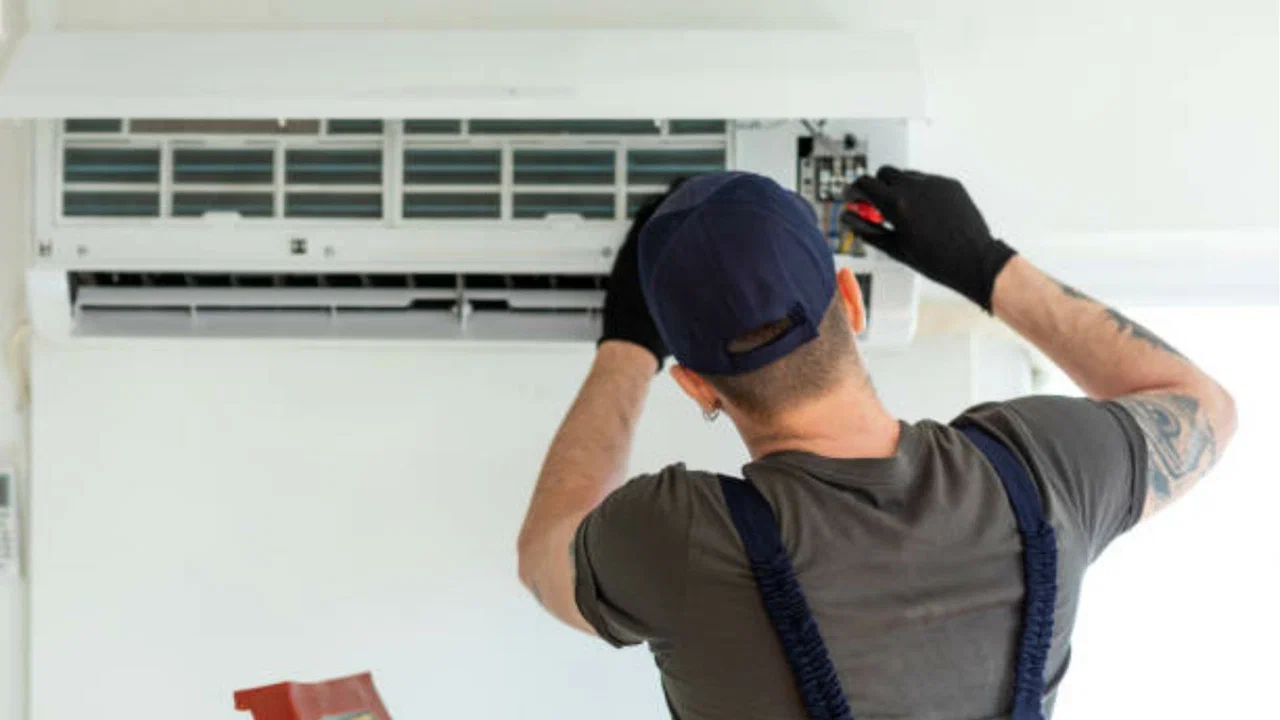
Air conditioning has become an essential feature in modern homes and commercial buildings. A properly installed and well-maintained air conditioning (AC) system not only provides comfort but also improves energy efficiency and prolongs the lifespan of the unit. Whether you are considering installing a new system or maintaining an existing one, understanding the key steps, benefits, and best practices is crucial.
Importance of Professional Air Conditioning Installation
Air conditioning installation is not just about placing a unit and turning it on. It requires precise planning, accurate measurements, and professional expertise to ensure the system operates efficiently and reliably. Here’s why professional installation matters:
- Optimal Sizing and Selection
Choosing the right AC unit for your space is critical. Oversized systems consume more energy and may not dehumidify effectively, while undersized units struggle to cool the space efficiently. Professional technicians conduct load calculations to determine the ideal unit size for your home or business. - Proper Ductwork and Ventilation
Proper ductwork design ensures uniform cooling throughout the property. Incorrect duct installation can lead to uneven temperatures, energy waste, and system strain. Professional installers ensure your ducts, vents, and registers are positioned and sealed correctly. - Compliance with Safety Standards
AC installation involves electrical connections, refrigerant handling, and sometimes structural modifications. Licensed professionals follow safety protocols to prevent hazards and comply with local regulations. - Extended System Lifespan
Correct installation reduces wear and tear on components, minimizing repairs and extending the life of your AC system. A professionally installed system can last significantly longer than one installed incorrectly.
Steps in Air Conditioning Installation
A successful AC installation involves several key steps:
- Site Assessment and Consultation
The technician assesses the space, insulation, and cooling requirements, then recommends suitable AC units and configurations. - System Selection
Based on the assessment, the most appropriate AC unit is selected, considering capacity, energy efficiency (SEER rating), and features such as smart controls. - Ductwork and Electrical Setup
For central AC systems, ductwork is designed or modified, and electrical connections are prepared to meet the unit’s requirements. - Unit Placement and Installation
The indoor and outdoor units are positioned strategically for efficiency, airflow, and noise reduction. Proper leveling, mounting, and securing are essential. - Refrigerant Charging and Testing
Technicians charge the system with the correct amount of refrigerant, ensuring it cools effectively. The system is tested for leaks, airflow, and temperature performance. - System Calibration and Handover
Finally, the system is calibrated for optimal operation. The installer provides instructions for usage, maintenance, and troubleshooting tips.
Benefits of Regular Air Conditioning Maintenance
Just like any major appliance, AC systems require routine maintenance to operate efficiently. Regular maintenance provides multiple benefits:
- Enhanced Energy Efficiency
Over time, dust and debris can clog filters and reduce airflow, forcing the system to work harder. Regular cleaning and maintenance keep your AC running efficiently, reducing energy bills. - Improved Air Quality
AC units circulate air throughout your space. Clean filters and ducts reduce allergens, dust, and pollutants, promoting healthier indoor air. - Prevention of Costly Repairs
Identifying minor issues early through maintenance prevents major breakdowns. This can save hundreds or even thousands in emergency repair costs. - Consistent Comfort
Routine maintenance ensures consistent cooling performance, maintaining the desired temperature without fluctuations or inefficiencies. - Extended Lifespan of the System
Regular inspections, cleaning, and component checks reduce wear and tear, extending the life of your air conditioning unit.
Key Air Conditioning Maintenance Tasks
Professional AC maintenance includes several critical tasks to ensure optimal performance:
- Filter Replacement or Cleaning: Filters should be cleaned or replaced every 1–3 months depending on usage.
- Condenser and Evaporator Coil Cleaning: Dirt buildup on coils reduces cooling efficiency. Regular cleaning ensures maximum heat exchange.
- Drain Line Inspection and Cleaning: Blocked drain lines can cause water leaks and mold growth. Routine checks prevent clogs.
- Refrigerant Level Check: Low refrigerant levels reduce cooling capacity and can damage the compressor.
- Thermostat Calibration: Ensuring your thermostat is accurate maintains proper temperature and energy efficiency.
- Electrical Component Inspection: Checking wiring, capacitors, and connections prevents malfunctions and fire hazards.
Signs Your AC Needs Maintenance or Repair
Even with regular maintenance, it’s important to recognize signs that your AC requires attention:
- Reduced airflow or weak cooling
- Strange noises such as rattling or hissing
- Foul odors coming from vents
- Increased energy bills without a change in usage
- Water leaks around the indoor unit
- Frequent cycling on and off
Addressing these issues promptly ensures your system continues to function effectively and avoids costly breakdowns.
Tips for Homeowners to Maintain AC Systems
While professional maintenance is essential, homeowners can take simple steps to support their AC system:
- Clean or Replace Air Filters Regularly
- Keep Outdoor Units Free of Debris (leaves, dirt, and grass)
- Ensure Vents and Registers Are Unblocked
- Monitor Energy Bills for Unusual Spikes
- Schedule Annual Professional Maintenance
Choosing the Right Air Conditioning Service Provider
Selecting a qualified and reliable service provider is key to long-term comfort and efficiency. Consider these factors:
- Experience and Expertise: Look for licensed technicians with proven experience in AC installation and maintenance.
- Comprehensive Services: Choose a provider that handles installation, maintenance, and repairs for all AC types.
- Customer Reviews and Reputation: Positive feedback from previous clients indicates reliability and quality.
- Emergency Services: AC breakdowns can happen anytime; ensure your provider offers prompt support.
- Warranty and Support: Trusted providers offer warranties on equipment and services, ensuring peace of mind.
Conclusion
Air conditioning installation and maintenance are critical to creating a comfortable, energy-efficient, and safe indoor environment. Professional installation ensures your system is correctly sized, installed, and optimized, while routine maintenance prevents issues, improves efficiency, and extends the system’s lifespan.
Whether you need a new AC system or want to maintain an existing one, partnering with experienced, licensed, and reliable professionals guarantees performance, peace of mind, and long-term comfort. Investing in proper installation and maintenance is not just about staying cool—it’s about protecting your property, reducing energy costs, and ensuring a healthy indoor environment.